
What is Skim Coating? A NYC Apartment Guide to Smooth Walls
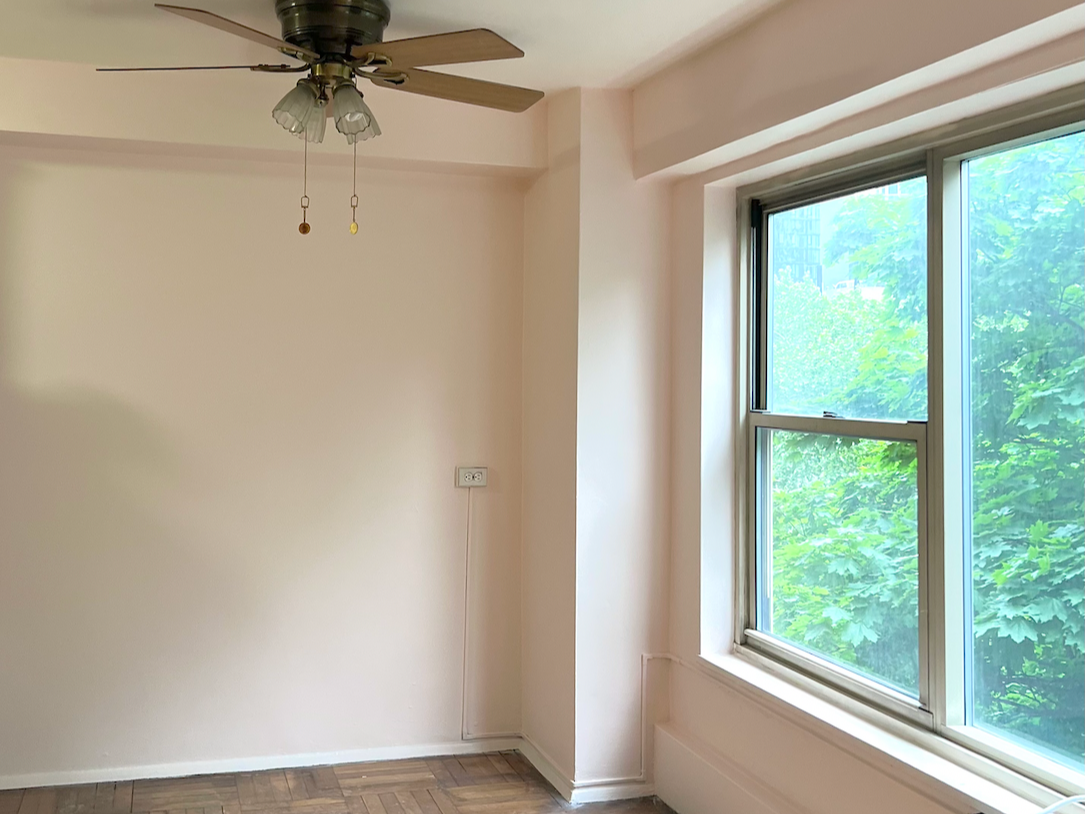
If you live in a NYC apartment, brownstone, or pre-war home, there’s a good chance your walls have accumulated some history. Mine have.
Old plaster, layers of paint, previous repairs, cracks, wallpaper adhesive, and uneven textures can all leave walls looking less than smooth. And while a fresh coat of paint can dramatically change the color and feel of a room, paint cannot correct an uneven wall surface.
That’s where skim coating comes in.
What Is Skim Coating?
Skim coating is a wall preparation technique used to create a smooth, consistent surface before painting. It’s especially common in New York City, where older housing stock often requires more extensive preparation than simply filling a few nail holes and applying paint.
Skim coating involves applying a thin layer of joint compound or finishing material across the surface of a wall or ceiling.
Rather than repairing one isolated crack or hole, the compound is applied across a larger area — sometimes an entire wall or room — to create a more uniform surface.
Depending on the condition of the walls, the process may involve:
Scraping or removing loose material
Repairing larger cracks, holes, or damaged plaster
Preparing or priming the existing surface(s)
Applying one or more thin coats of joint compound
Allowing each coat to dry
Sanding and smoothing the surface
Priming the finished walls
Painting the refinished surface
The result is a flatter, smoother wall with fewer visible imperfections.
Why is Skim Coating Important in Painting?
The final quality of a paint job is heavily dependent on the quality of the surface underneath it. A properly executed skim coat can make an older wall look dramatically newer without requiring the existing wall to be completely demolished and replaced.
One of the biggest misconceptions about interior painting is that paint itself will hide imperfections. Often it actually does the opposite. Paint changes the color and finish of a wall - not its texture or flatness, and it can even emphasize imperfections in worn, uneven surfaces, previously repaired areas, and surface with higher sheen
The sheen of the paint matters as well. Higher-sheen finishes tend to reflect more light and can emphasize inconsistencies in the underlying surface.
For walls in relatively good condition, standard preparation — filling nail holes, repairing minor cracks, sanding and spot priming may be perfectly sufficient.
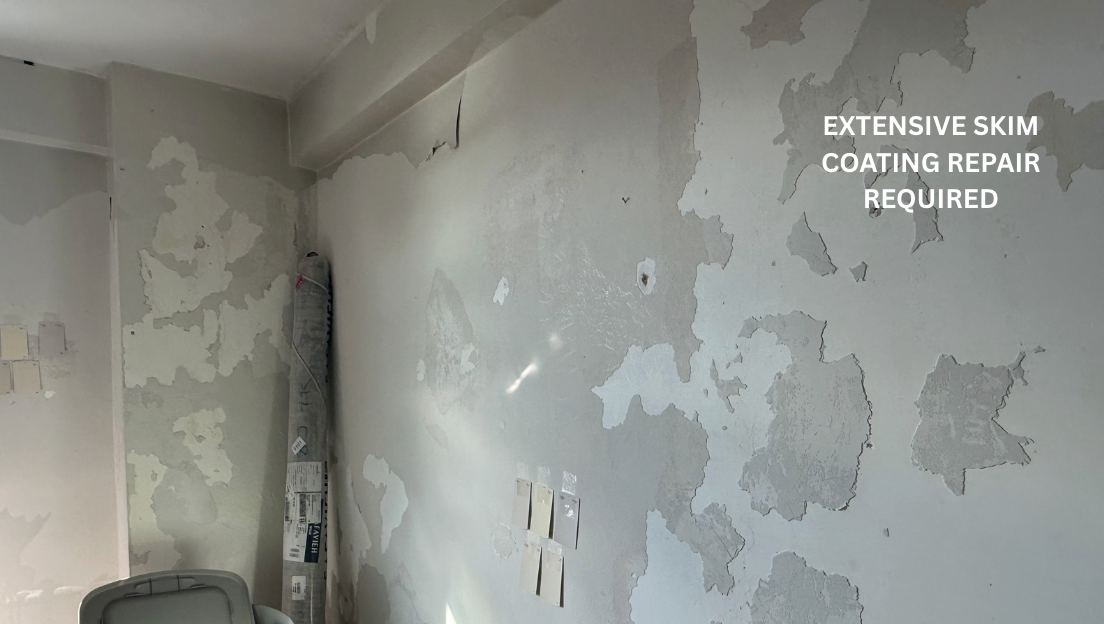
For walls with widespread imperfections, however, repeatedly patching individual areas can reach a point of diminishing returns. Skim coating the entire surface may produce a significantly better result.
Think of it this way: Painting improves the finish of the wall. Skim coating improves the wall that you're painting.
Does Every Painting Project Require Skim Coating?
Not every painting project requires skim coating. If your walls are generally smooth and you're comfortable with minor signs of age or previous repairs, it may be an unnecessary expense.
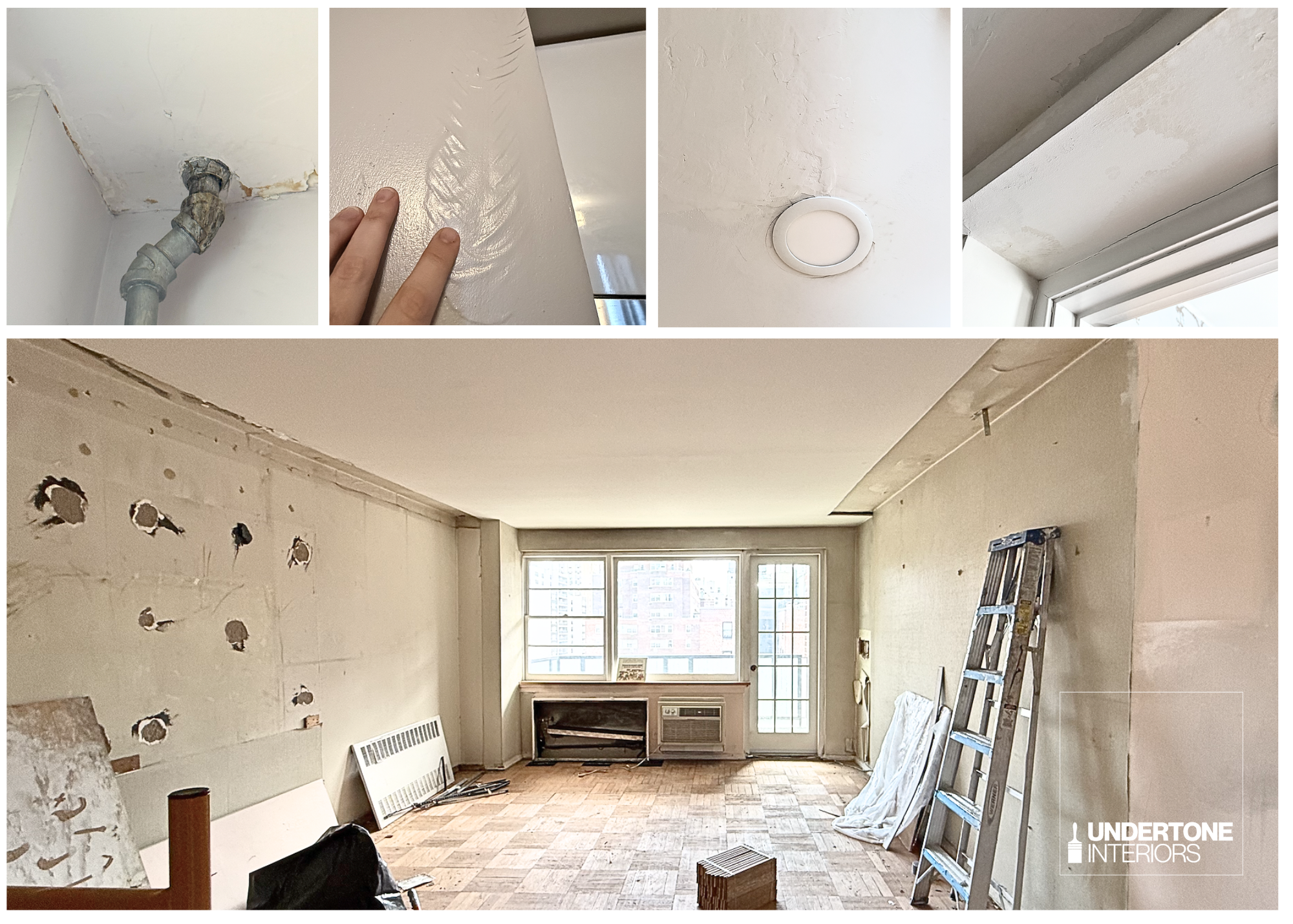
Skim coating is recommended when painting:
1. Older or Uneven Plaster Walls
This is particularly common in NYC's pre-war apartments and brownstones.
Older plaster walls may have been repaired dozens of times over their lifespan. Even when they're structurally sound, they can develop waves, shallow cracks, uneven patches and inconsistent textures. Skim coating can create a much more uniform surface before repainting.
2. After Wallpaper Removal
Removing wallpaper doesn't always reveal a perfectly paint-ready wall underneath. Wallpaper adhesive, torn drywall paper, gouges and previous repairs can leave the surface uneven. Depending on the condition of the walls after removal, skim coating may be recommended before priming and painting.
3. Walls With Extensive Patching
A handful of nail holes doesn't require skim coating. But if a wall contains numerous patches, repairs or areas with different textures, spot repairs can sometimes remain visible even after painting. Skim coating allows the entire wall to be treated as one continuous surface.
4. Heavily Textured Walls
If you want to transform a visibly textured wall into a smooth, modern surface, paint alone won't accomplish it. Skim coating can be used to reduce or eliminate unwanted texture and create a flatter surface for paint.
5. Walls With Significant Surface Damage
Peeling paint, cracking plaster and other surface problems may require more extensive preparation.
Importantly, skim coating shouldn't simply be used to cover an active underlying problem. Water intrusion, unstable plaster or other structural issues should be addressed before cosmetic wall finishing begins.
6. When You Want a Particularly Smooth, High-End Finish
Sometimes skim coating is simply an aesthetic decision. If you're renovating a high-end apartment, using sophisticated lighting or simply want exceptionally smooth walls, investing more heavily in surface preparation can noticeably improve the finished space.
Skim Coating vs. Regular Wall Repair
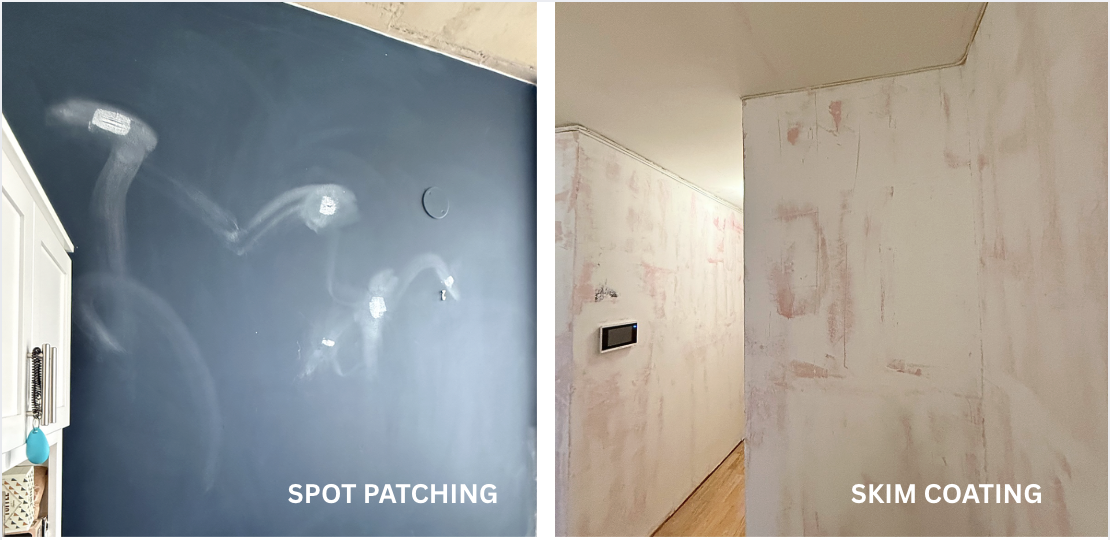
There's an important distinction between spot repair and full skim coating.
Most professional interior painting projects include some degree of basic wall preparation. Small nail holes, minor dents and isolated cracks can typically be filled and sanded individually.
Skim coating becomes relevant when the imperfections are widespread enough that repairing them individually won't produce the desired finish.
For example, if 5% of a wall needs repair, patching may make sense.
If much of the wall is uneven, textured or covered with old repairs, treating the entire surface may ultimately produce a cleaner result.
This is why an in-person assessment can be valuable when estimating older NYC apartments. Two similarly sized rooms can require dramatically different amounts of preparation.
How Much Does Skim Coating Cost?
Skim coating is a labor expense which can make it expensive in high-end homes and markets like New York City.
As a general NYC planning range, homeowners might expect approximately $3 to $6+ per square foot of actual wall or ceiling surface for professional skim coating, with significant variation depending on the project.
A standard room could therefore add roughly $800 – $2,000+ in wall preparation, while extensive skim coating throughout an apartment can add several thousand dollars to the overall project.
Note: These numbers should be treated as general market guidance rather than fixed pricing. We’ll give you a precise quote.
Why is Skim Coating More Expensive?
Several factors can significantly affect the cost.
Wall condition: A relatively sound but uneven wall is very different from deteriorating plaster with extensive cracking or loose material.
Number of coats: Some walls require multiple applications to achieve the desired finish.
Ceilings: Skim coating ceilings generally requires more labor and can cost more than comparable wall surfaces.
Ceiling height: High ceilings, stairwells and other difficult-to-access areas increase labor and equipment requirements.
Occupied vs. vacant spaces: Protecting furniture and working around an occupied apartment can increase setup and cleanup time.
Building logistics: Elevator restrictions, limited working hours, insurance requirements and difficult access are common considerations in NYC apartment projects.
Level of finish: There's a difference between making a damaged wall substantially better and creating an exceptionally smooth, high-end surface. The expected finish should be discussed before work begins.
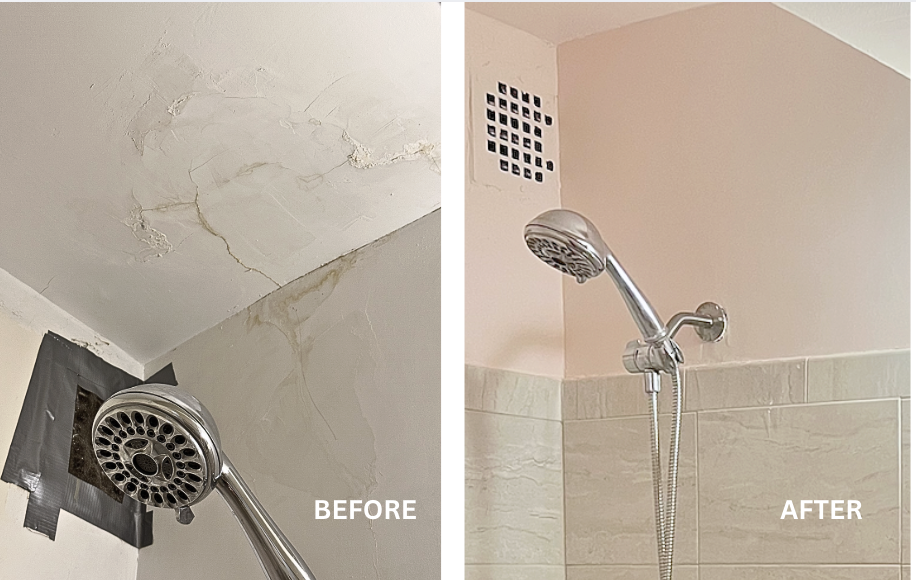
Skim Coating is Often Necessary Only in Certain Areas
You may have one room with heavily damaged plaster while the rest of the apartment only requires standard preparation. Similarly, one particularly visible wall may benefit from skim coating while surrounding walls don't.
A good painting contractor should help distinguish between three levels of preparation:
Standard prep: Minor filling, sanding and spot repairs.
Targeted repair: More extensive plaster or compound work in specific damaged areas.
Full skim coating: Resurfacing most or all of a wall or ceiling.
The goal shouldn't automatically be to sell the most extensive preparation possible. It should be to determine what level of preparation is necessary to achieve the finish you actually want.
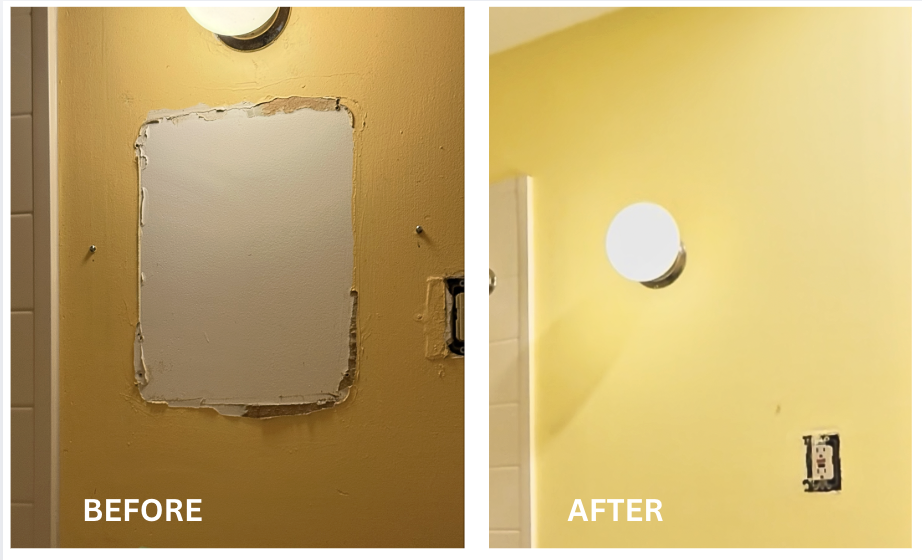
Is Skim Coating Worth the Cost?
If your walls are already in good condition, probably not. But if walls are noticeably uneven, heavily patched, textured or damaged, skim coating can have almost as much visual impact as the paint itself.
This is particularly true in older New York City homes. Beautiful paint colors and premium finishes can't compensate for poor surface preparation. In rooms with substantial natural light, uneven walls can become even more apparent once freshly painted.
If you’re investing in a significant interior update or renovation, properly preparing the walls can make the difference between a space that simply looks repainted and one that looks restored.
Planning an Interior Painting Project?
Before deciding whether skim coating is necessary, start by evaluating the condition of the walls and the quality of finish you're trying to achieve.
Our team always assess overall wall preparation as part of the painting process and can recommend whether standard repairs, targeted plaster work or more extensive skim coating makes sense for your space.
Contact us to discuss your vision and get a free estimate.